Choosing the right shopping bag size may seem like a small detail, but it can have a big impact on your customers’ experience, your packaging costs, and even your brand image. Whether you own a boutique, gift shop, museum store, bakery, jewelry store, or specialty retail business, selecting the appropriate shopping bag ensures your products are protected, presented beautifully, and easy for customers to carry.
If you’ve ever wondered, “What size shopping bag do I need for my products?” this guide will help you determine the best retail shopping bag sizes for your business.
Why Shopping Bag Size Matters
Using a bag that is too small can damage products or frustrate customers. On the other hand, a bag that is significantly larger than necessary can increase packaging costs and create an unprofessional appearance.
The right shopping bag size helps:
- Protect products during transport
- Enhance your brand presentation
- Reduce packaging waste
- Improve customer satisfaction
- Lower shipping and storage costs
- Create a more premium shopping experience
Understanding Shopping Bag Dimensions
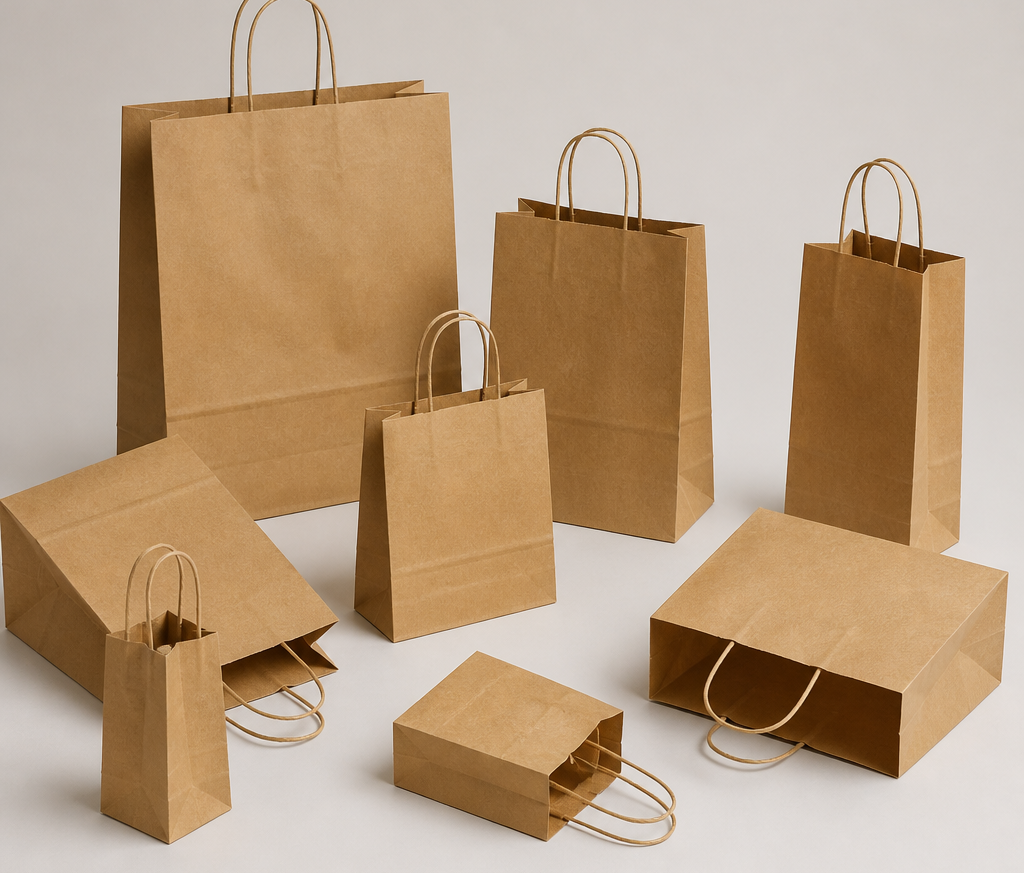
Shopping bag sizes are typically measured using three dimensions:
Width x Gusset x Height
- Width = Front of the bag from side to side
- Gusset = Side depth of the bag
- Height = Distance from the bottom to the top of the bag
The gusset is particularly important because it determines how much depth the bag can accommodate.
Small Shopping Bags
Small retail shopping bags are ideal for lightweight or compact items.
Best For:
- Jewelry
- Cosmetics
- Candles
- Small Gifts
- Accessories
- Chocolates
Typical Size Range:
- 5.25 x 3.25 x 8.375 (ROSE)
- 6.5″ x 3.5″ x 8.5″ (PS TULIP)
- 8″ x 4″ x 10″ (RODEO)
- 6.5 x 3.5 x 6.5 (ET PETITE)
- 10″ x 4″ x 8″ (ET EMERALD)
These bags provide a clean, upscale presentation while preventing smaller products from getting lost inside oversized packaging.
Medium Shopping Bags
Medium-sized bags are among the most versatile options for retailers.
Best For:
- Apparel Accessories
- Books
- Home Décore Items
- Giftware
- Museum Store Merchandise
- Gourmet Food Products
Typical Size Range:
- 8″ x 4″ x 10″ (RODEO)
- 10″ x 5″ x 13″ (PS LINDSEY)
- 12″ x 5″ x 10″ (PS EMERALD)
- 10″ x 4″ x 8″ (ET EMERALD)
- 13″ x 5″ x 10″ (ET RUBY)
For many retailers, medium bags account for the majority of daily purchases.
Large Shopping Bags
Large shopping bags are designed for bulkier products and multiple-item purchases.
Best For:
- Shoes
- Blankets
- Pillows
- Boxed Gifts
- Multiple Purchase
- Specialty Retail Products
Typical Size Range:
- 13″ x 7″ x 13″ (PS JRMART)
- 16″ x 6″ x 12.375″ (MADISON)
- 16″ x 6″ x 19″ (PS GALLERIA)
- 24″ x 7.25″ x 18.75″ (PS MAGNUM)
- 20″ x 6″ x 16″ (ET GALLERIA)
- 24″ x 9 “x 19” (ET MANGUM)
These bags provide the space needed for larger items while maintaining a polished retail presentation.
Extra-Wide/Food Service Shopping Bags
Some products require a wider gusset rather than additional height.
Best For:
Bakery Boxes
Cake Boxes
Takeout Containers
Gourmet Food Packaging
Gift Baskets
Typical Size Range:
10″ x 10″ x 10″ (PSCAFE)
10″ x 6″ x 15.75″ (PS REGAL)
13″ x 7″ x 15.5″ (PS ASPEN)
14″ x 8″ x 14″ (PSPRINCE)
12″ x 12″ x 12″ (ET IMPERIAL)
A larger gusset allows wider products to sit flat and remain stable during transport.
Match the Bag to the Product
A good rule of thumb is to choose a shopping bag that provides approximately one inch of clearance around the product.
Consider these factors:
Product Dimensions Measure your largest or most frequently sold items before selecting a bag size.
Product Weight: Heavier products may require stronger paper weights, reinforced handles, or laminated bags.
Product Requirements: If products are already packaged in gift boxes, be sure to account for the dimensions of the box rather than the item itself.
Multiple Purchase: Many retailers choose bag sizes based on the average customer transaction rather than individual items.
Shopping Bag Recommendations by Industry
Boutique Stores: Medium and large paper shoppers work well for clothing, accessories, and gift items.
Jewelry Stores: Small shopping bags paired with jewelry boxes create an upscale presentation.
Museum Gift Shop: A combination of small and medium bags accommodates books, souvenirs, and specialty gifts.
Bakery and Candy Shops: Wide-gusset bags are ideal for pastry boxes, candy boxes, and specialty food packaging.
Gift Shops: Maintaining a variety of small, medium, and large bag sizes helps accommodate a broad range of merchandise.
Don’t Forget Branding
The right size is only part of the equation. Custom shopping bags can turn every customer purchase into a walking advertisement for your business.
Popular customization options include:
- Hot Stamping
- Ink Printing
- Embossing
- Full-Color Printing
- Custom Colors
- Coordinated Tissue Paper
A well-designed shopping bag enhances perceived value and helps customers remember your brand long after the purchase is made.
Final Thoughts
Selecting the right shopping bag size helps create a better customer experience while protecting your products and reinforcing your brand. Start by evaluating your most common products, consider how customers typically purchase them, and choose bag sizes that offer the best balance of function, presentation, and cost.
If you’re unsure which size is best for your business, a packaging specialist can help you identify the ideal shopping bag sizes based on your product mix, branding goals, and budget. The right bag doesn’t just carry a purchase—it carries your brand.
When selecting shopping bags, it’s important to consider not only product dimensions but also durability, customer experience, and sustainability. Organizations such as the Sustainable Packaging Coalition offer valuable information about environmentally responsible packaging practices that can help retailers make informed decisions.